

Diseases
- Endometriosis
- Adenomyosis Treatment in Indore
- Endometriosis in Teenagers
- Inguinal Endometriosis Treatment
- Umbilical Endometriosis Treatment
- Scar Endometriosis Treatment
- Ureteral Endometriosis Treatment
- Ovarian Endometriosis Treatment
- Bowel Endometriosis Treatment
- Bladder Endometriosis Treatment
- Deep Infiltrating Endometriosis Treatment
Make an Appointment
Schedule your visit with Indore’s endometriosis expert.
Working Hour
- 9:00-19:00
- 9:00-19:00
- 9:00-19:00
- 9:00-19:00
- 9:00-19:00
- 9:00-19:00
- Closed
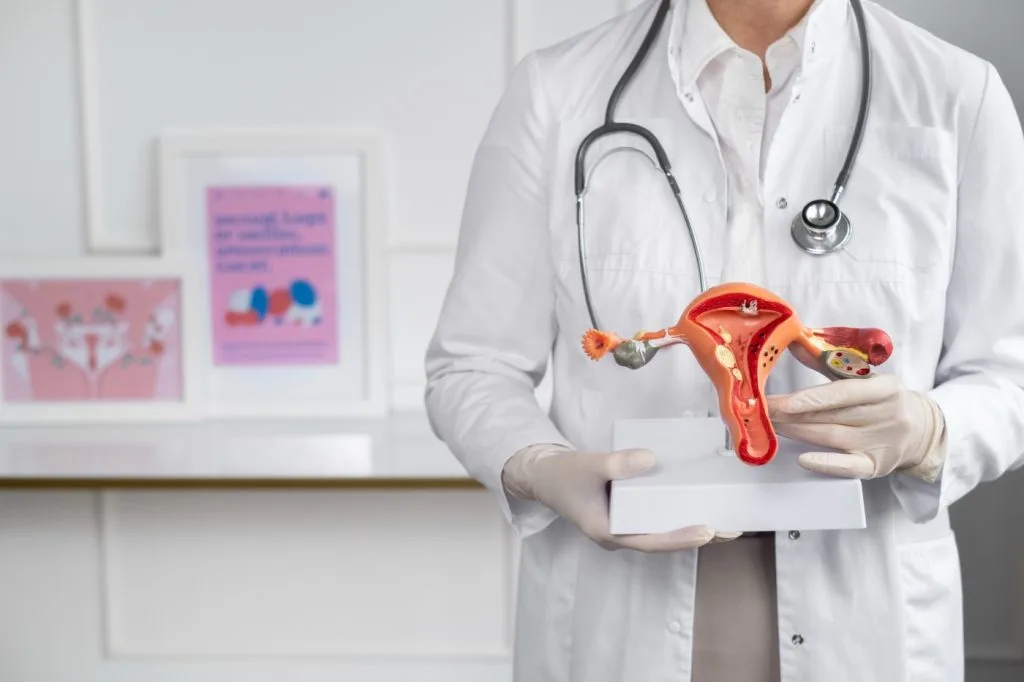
Understanding Endometriosis
10-15% of women around the world suffer from endometriosis.
Endometriosis is the name given to a medical condition when the tissue (similar to the uterine lining- the endometrium) grows outside the uterus. This tissue mass growth known is usually found in the ovaries, fallopian tubes, bladder, bowel or on pelvic walls. This tissue mass thickens over time and bleeds just like the uterine lining during the menstrual cycle.
Inflammation and scarred tissue would then cause deep endometriosis pain. Such changes can cause anatomical changes and block reproductive pathways or damage eggs due to large cysts, making conception harder leading to infertility.
Recognizing Endometriosis Symptoms
Endometriosis has variable symptoms in each person. Some patients might be asymptomatic while some might have subtle yet persistent signs. But these symptoms like endometriosis pain are strong enough to disrupt daily life. Early identification of symptoms helps in timely diagnosis and endometriosis management.
Common Symptoms
Endometriosis - Causes and Risk Factors
The cause of endometriosis is not yet known exactly, but there are many theories about what causes endometriosis; but, none of them have been thoroughly proven. The most common theory, called retrograde menstruation, was proposed by Sampson and is still often considered the main cause today, even though it is not totally correct.
Sampson’s theory says that during menstruation, parts of the endometrium, which is the lining of the uterus, travel through the Fallopian tubes into the abdominal area.
These pieces stick to the peritoneal lining and grow into endometriotic spots.
Some researchers think that in some cases, endometrial tissue can turn into other tissues outside the uterus (Metaplasia).
Some believe this change happens during the development of the embryo when the uterus is forming.
The most likely theory we have today is Mülleriosis, which is the best fit for explaining the origin of endometriosis.
It suggests that there is a problem in how cells in the Müllerian duct system develop or move during the early stages of embryonic growth.
Endometriosis Diagnosis
Earlier, the diagnosis was done by laparoscopy after excising the endometriosis tissues and confirming them by histopathology. But laparoscopy is an invasive and an expensive procedure therefore, now we have established alternate methods of diagnosis which are almost as good as laparoscopy in diagnosing endometriosis and are not invasive.
How to Get Diagnosed for Endometriosis
Clinical History :
Endometriosis is the first diagnosis that comes up when the patient complains of dysmenorrhoea (Painful periods), dyspareunia (Painful sexual intercourse), pain in passing stools or motion during menses and subfertility.
Clinical Examination:
An abdominal, vaginal and rarely rectal exam is done to rule out for nodularity and mobility of the uterus. If any nodularity is noted then one will suspect deep endometriosis.
Adnexal masses can be palpated on examination may be suggest large endometriomas.
Rectal examination is required only in very young girls, in whom vaginal examination can not be performed.
Ultrasonography:
Transvaginal ultrasound with a good resolution machine is the best non-invasive modality to diagnose endometriosis. There are various finding one may encounter the most common one being cysts in the ovaries, reduced mobility of the uterus, endometriotic nodules and adhesions commonly – adherent ovaries.
Rectal examination is required only in very young girls, in whom vaginal examination can not be performed.
MRI:
MRI is the first line modality preferred by various doctors around the globe to diagnose endometriosis. MRI gives us an idea about the disease and the spread in the adenexa.
It lacks the credibility over the ultrasound as ultrasound is a dynamic procedure while MRI isnt. But using proper endometriosis guidelines MRI can give an almost perfect picture of disease status inside the pelvis by trained ultrasonologists.
Laparoscopy:
Laparoscopy is said to be the gold standard for diagnosing endometriosis. Endometriosis has various types- superficial, deep and ovarian endometriosis. Laparoscopy is one modality which can confirm all three types of endometriosis with 100% accuracy and also treat endometriosis along with diagnosing it in the same sitting.
Treatment Options for Endometriosis
Endometriosis doesnt have a permanent cure.
But surely endometriosis management is done symptomatically with painkillers as advised by the doctor; hormone medicines to slow tissue growth, or in severe cases of deep endometriosis, surgery by an expert in endometriosis surgeon is done to remove affected areas.
In severe cases of infertility, doctors may suggest IVF to help with pregnancy. The right treatment depends on the age of the affected woman, the stage of endometriosis symptoms, and whether she wants to get pregnant or not.
Medical Managemen:
Medical management includes the plethora of medicines from simple painkillers to complex hormonal medicines. These treatments help reduce endometriosis pain and improve chances of fertility. The painkillers could be non-steroidal anti-inflammatory drugs like ibuprofen or mefenamic acid or opioid derivatives like tapantadol or tylenalol.
Hormonal Therapy:
Hormonal treatment aims to reduce the estrogen levels in the body and therefore prevents the disease progression, and prevents inflammation and scarring.
This hormonal therapy includes birth control pills, injections such as gonadotropin-releasing hormone or its antagonist, progesterone or intra-uterine devices.
Surgery for Endometriosis:
Some women require endometriosis surgery. There are various surgical treatments that remove disease, and various modalities also- open surgery, laparoscopic surgery or robotic surgery.
Evidence suggests that the best way to treat and minimise recurrence of endometriosis is by laparoscopic excision of endometriosis by a trained surgeon with advanced medical equipment to optimally treat the various types of diseases and a team of doctors to treat the enigmatic disease affecting adjacent organs also.
Surgery can be radical or conservative, depending on the individual’s needs. Patients who want a fertility-enhancing surgery and are looking at preserving their fertility opt for a conservative fertility-enhancing surgery, while patients who have completed fertility goals may look at radical options like total laparoscopic hysterectomy with complete removal of the disease along with it.
Surgery also makes it possible for a lot of women who are facing sub-fertility to achieve pregnancy, and women who are not able to get pregnant to improve their chances of natural as well as IVF-assisted conception also.